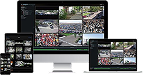


Intrusion Detection Systems
Intrusion alarm systems are used for asset protection, deterrence and to protect human life. They can also be used to monitor other harmful conditions, such as fire or CO. Some of the ways intrusion detection systems can be of benefit include:
- Central station monitoring 24/7/365 for real-time human coverage.
- Log and audit your business opening and closing times to ensure employees are abiding by company policies.
- Maintaining compliance requirements to lower insurance costs and prevent human errors.
- Manage who has physical access to your premises.
- Provide quick access to emergency services, including fire, medical and law enforcement.
Central Station Monitoring
Your IDS (intrusion detection system) monitors signals in real-time and responds based on the programming logic assigned. In most cases, the IDS communicates directly with a UL listed central monitoring station 24/7/365, to ensure that such signals are immediately addressed.
Infrastructure
Wired vs Wireless
Wireless technology has come a long way and now offers end-to-end encryption with sensor battery life that may extend 5-7 years. Wireless systems can offer amazing value, however under certain conditions it may not be the right fit.
Communication Path
The FCC has sunset copper telco lines, which are becoming increasingly scarce and expensive. Telco’s replacement, VoIP, is unreliable and not officially supported by most hardware. The remaining options include IP and cellular. We strongly recommend going with a dual-path communicator, with IP as the primary path and cellular as the backup.
Management Interface
Managing an IDS system includes monitoring sensor state and maintaining alarm codes for each alarm user. Legacy systems are limited to a basic alphanumeric keypad with complicated processes. Zimy Electronics favors using such tools as Alarm.com to provide users with an intuitive smartphone app interface.